
Did you know that businesses using targeted strategies on social media platforms experience up to 56% higher engagement rates? This statistic highlights the power of understanding your industry’s landscape and leveraging it to your advantage. By evaluating what others are doing, you can uncover valuable insights to refine your own approach.
Examining how others craft their campaigns can reveal trends in messaging, creative content, and audience targeting. This process not only helps you stay ahead but also ensures your brand remains relevant in a competitive space. Tools like native analytics and libraries provide a wealth of data to measure performance and identify areas for improvement.
In this guide, you’ll learn how to analyze strategies effectively, interpret key metrics, and adapt to industry trends. Whether you’re new to this practice or looking to refine your skills, these insights will help you make informed decisions for your business.
Key Takeaways
- Evaluating strategies on social media platforms boosts engagement and performance.
- Analyzing campaigns provides insights into messaging and creative trends.
- Native tools offer valuable data to measure and improve your approach.
- Understanding industry trends keeps your brand competitive.
- Focus on key metrics to refine your strategy effectively.
Understanding the Importance of Competitor Analysis on LinkedIn
In today’s fast-paced digital landscape, staying ahead requires more than just intuition—it demands actionable insights. One of the most effective ways to gain these insights is by analyzing what others in your industry are doing. This practice helps you identify trends, refine your approach, and maintain a competitive edge.
By examining the tactics of others, you can uncover what resonates with your target audience. For example, observing which types of posts generate the most engagement or which ad formats drive conversions can guide your own strategy. This process isn’t about copying but rather learning and adapting.
Quantitative metrics like engagement rates and follower growth provide a clear picture of performance. However, qualitative insights—such as content style and posting frequency—are equally valuable. Together, these elements offer a comprehensive view of what works and what doesn’t.
Tools like the LinkedIn Ads Library can simplify this process by offering a detailed look at active campaigns. These resources save time and provide a wealth of data to inform your decisions.
Ultimately, competitor analysis enables you to optimize your marketing efforts. By understanding the strengths and weaknesses of others, you can allocate resources more effectively and craft campaigns that truly resonate with your audience.
Getting Started with Competitor Research on LinkedIn

Understanding your industry’s landscape starts with effective research. By examining what others are doing, you can uncover valuable trends and tactics to refine your own approach. This process helps you stay ahead and ensures your brand remains competitive.
Setting Clear Objectives for Your Analysis
Before diving into research, define your goals. Are you looking to improve engagement, identify content gaps, or understand audience preferences? Clear objectives streamline data collection and ensure your efforts are focused.
For example, if your goal is to boost performance, track metrics like likes, shares, and comments. These insights reveal what resonates with your target audience.
Identifying Your Top Competitors
Start by listing companies that pose the greatest threat to your market share. Look for brands with similar audiences, strong follower growth, or high engagement rates. Tools like LinkedIn’s analytics can help you identify these leaders.
Once you’ve identified your competitors, analyze their posting frequency, content types, and ad performance. This step provides a comprehensive view of their strategy and highlights areas for improvement in your own campaigns.
By starting with a defined purpose and using the right tools, you can gather actionable insights to enhance your marketing efforts.
Mastering LinkedIn ads competitor analysis

To truly understand what works in your industry, you need a structured approach to data collection and metric tracking. This ensures you gather actionable insights to refine your strategy and stay ahead of the curve.
Establishing Your Data Collection Methods
Start by setting up a systematic process for gathering data. Use native analytics provided by the platform to track basic metrics like impressions and clicks. For deeper insights, consider third-party tools like Socialinsider or Sprout Social. These tools offer advanced features such as competitor benchmarking and trend analysis.
For example, tools like Competitors App provide a centralized view of active campaigns across multiple platforms. This saves time and helps you identify patterns in your competitors’ strategies.
Choosing the Right Metrics to Track
Not all metrics are created equal. Focus on those that directly reflect performance, such as engagement rate, impressions, and follower growth. These indicators reveal how well your competitors’ campaigns resonate with their audience.
Here’s a comparison of key metrics from two leading brands:
| Metric | Brand A | Brand B |
|---|---|---|
| Engagement Rate | 4.5% | 3.8% |
| Impressions | 120,000 | 95,000 |
| Follower Growth | 2,000/month | 1,500/month |
While quantitative data is essential, don’t overlook qualitative insights. Analyze the tone, style, and messaging of your competitors’ content. This balance helps you craft campaigns that are both data-driven and creatively compelling.
By combining the right tools and metrics, you can gain a comprehensive understanding of your competitors’ strategies and adapt your approach for better results.
Leveraging the LinkedIn Ads Library for Competitive Research

Unlocking the potential of your marketing efforts starts with leveraging the right tools. The LinkedIn Ads Library is a powerful resource that provides transparency into active campaigns across the platform. By exploring this tool, you can gain valuable insights to refine your own strategy.
Accessing the Library Directly and via Company Pages
There are two primary ways to access the LinkedIn Ads Library. The first is through a direct search using the platform’s URL. Simply navigate to the Library and enter relevant keywords or company names to view active campaigns.
The second method involves visiting a company page and selecting the Posts tab. This allows you to see the ads they’re currently running. Both methods offer filtering options, such as ad type and date range, to streamline your research.
Understanding the Information Provided
The Library provides detailed information about each ad, including the copy, creative format, and call-to-action (CTA). This transparency helps you understand what resonates with your target audience and why certain campaigns succeed.
Here’s a breakdown of the key details you’ll find:
| Feature | Description |
|---|---|
| Ad Copy | The text used in the ad, including headlines and descriptions. |
| Creative Format | The type of media used, such as images, videos, or carousels. |
| CTA | The action the ad encourages, like “Learn More” or “Sign Up.” |
By analyzing these elements, you can identify trends and adapt your own campaigns for better performance. The Library’s real-time insights ensure you’re always working with the most up-to-date information.
Using this tool effectively can give you a competitive edge. It allows you to stay informed about industry trends and make data-driven decisions for your marketing strategy.
Analyzing Competitor Content Strategies and Engagement
Effective content strategies often begin with understanding what resonates with your audience. By examining how others craft their posts, you can uncover trends that drive engagement and refine your own approach. This process involves evaluating content types, posting schedules, and audience responses to create a more impactful strategy.
Evaluating Content Types and Posting Schedules
Different types of content perform uniquely. For example, videos often generate higher engagement than static images, while carousels can tell a story more effectively. Analyzing what your competitors use can help you identify what works best for your audience.
Posting schedules also play a crucial role. Studies show that platforms like LinkedIn perform best with 2-3 posts per week. Tracking when your competitors post can reveal optimal times for maximum visibility and interaction.
Observing Engagement Tactics and Audience Responses
Understanding audience engagement is critical. Look at how competitors use hashtags, interactive elements, or calls-to-action (CTAs) to drive responses. For instance, posts with clear CTAs often see higher click-through rates.
Analyze how your audience responds to different tactics. Are they more likely to comment on thought-provoking questions or share informative posts? These insights can guide your content creation.
| Content Type | Engagement Rate | Best Use Case |
|---|---|---|
| Video | 6.2% | Storytelling and tutorials |
| Carousel | 5.8% | Step-by-step guides |
| Image | 4.5% | Quick updates and announcements |
By combining these insights, you can craft a strategy that aligns with your audience’s preferences. For more tips on refining your approach, check out this comprehensive guide.
Utilizing Key Performance Indicators for Ad Optimization
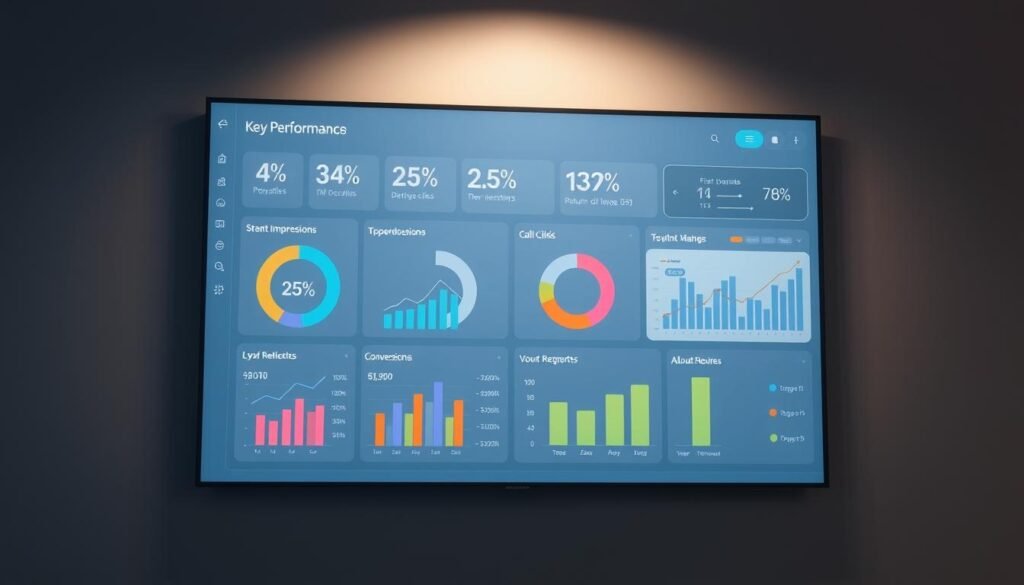
Key performance indicators (KPIs) are the backbone of successful ad campaigns. By tracking the right metrics, you can measure effectiveness and make informed adjustments. This ensures your efforts align with your goals and deliver maximum impact.
Start by focusing on essential KPIs like engagement rate, impressions, and follower growth. These metrics provide insights into how well your campaigns resonate with your audience. For example, a high engagement rate indicates strong audience interaction, while impressions measure visibility.
Benchmarking your performance against competitors is another critical step. Compare your metrics to industry averages or leading brands to identify gaps and opportunities. This approach helps you understand where you stand and what improvements are needed.
“Data-driven decisions are the foundation of effective ad optimization. Without the right metrics, you’re navigating blindly.”
Here’s a comparison of key metrics to guide your analysis:
| Metric | Your Campaign | Industry Average |
|---|---|---|
| Engagement Rate | 4.2% | 3.5% |
| Impressions | 150,000 | 120,000 |
| Follower Growth | 1,800/month | 1,200/month |
Integrate these findings into your ongoing campaign management. Use data-driven insights to adjust your ad creative, targeting, and messaging. Regular tracking and analysis ensure continuous improvement and long-term success.
By focusing on the right KPIs, you can optimize your campaigns effectively. This approach not only enhances performance but also ensures your efforts align with your business objectives.
Decoding Ad Formats and Visual Elements

Visual elements play a critical role in capturing audience attention and driving engagement. The format you choose can make or break your campaign’s success. By understanding the strengths of each type, you can craft ads that resonate with your audience and deliver results.
Exploring Single Image, Carousel, and Video Ads
Single-image ads are straightforward and effective for quick messaging. They work well for announcements or promotions where simplicity is key. Carousel ads, on the other hand, allow you to tell a story through multiple images or slides. This format is ideal for showcasing product features or step-by-step guides.
Video ads are highly engaging and can convey complex ideas in a short time. Studies show that 90% of internet traffic will come from short-form videos by 2024. This format is perfect for tutorials, testimonials, or brand storytelling.
Here’s a quick comparison of these formats:
| Format | Best Use Case | Engagement Rate |
|---|---|---|
| Single Image | Quick updates | 4.5% |
| Carousel | Product showcases | 5.8% |
| Video | Storytelling | 6.2% |
Visual elements like color, typography, and imagery also impact performance. Bright colors and bold fonts can grab attention, while high-quality images build trust. Always align these elements with your brand identity for consistency.
To determine which format works best, consider running A/B tests. Experiment with different visuals, CTAs, and layouts to see what resonates with your audience. This data-driven approach ensures continuous improvement and better results.
Implementing a Winning LinkedIn Ad Strategy

Crafting a successful ad strategy requires more than just creativity—it demands data-driven decisions. By integrating performance insights and leveraging testing, you can refine your approach and achieve better results. This section explores how to use data and A/B testing to optimize your campaigns effectively.
Integrating Data into Your Ad Creative
Data is the backbone of effective ad creation. Start by analyzing metrics like engagement rates, click-through rates, and conversions. These insights reveal what resonates with your audience and guide your creative decisions.
For example, Salesforce’s single image ad achieved high engagement by focusing on clear messaging and a strong call-to-action. Similarly, Calendly’s video ad showcased its product’s ease of use, driving significant conversions. Use these examples as inspiration to craft ads that align with your audience’s preferences.
Leveraging A/B Testing for Continuous Improvement
A/B testing is essential for optimizing your campaigns. By testing different elements like headlines, visuals, and CTAs, you can identify what works best. Run tests for 3-7 days to gather sufficient data and make informed adjustments.
Here’s a comparison of A/B testing results from two campaigns:
| Element | Variant A | Variant B |
|---|---|---|
| Headline | 4.2% CTR | 5.8% CTR |
| Visual | 3.5% Engagement | 6.2% Engagement |
| CTA | 2.0% Conversion | 3.5% Conversion |
Continuous testing ensures your campaigns remain effective as audience preferences evolve. For more tips on refining your strategy, check out this comprehensive guide.
By combining data-driven insights with iterative testing, you can create ads that not only capture attention but also drive meaningful results. This approach ensures your strategy remains competitive and impactful.
Exploring Tools and Tactics to Enhance Your Analysis

To gain a competitive edge, leveraging the right tools is essential. Platforms like Socialinsider and Sprout Social offer advanced features to streamline your research. These tools provide comprehensive data on engagement, trends, and performance metrics, helping you make informed decisions.
Socialinsider, for example, specializes in benchmarking and trend analysis. It allows you to compare your performance against industry leaders. Sprout Social, on the other hand, offers detailed reporting and audience insights. Both platforms save time and ensure accuracy in your analysis.
Here’s a breakdown of their key features:
| Tool | Key Features |
|---|---|
| Socialinsider | Benchmarking, trend analysis, competitor tracking |
| Sprout Social | Audience insights, detailed reporting, scheduling |
While automated tools are powerful, combining them with manual research ensures a balanced approach. Create templates to track metrics like posting frequency and content types. This hybrid method enhances accuracy and provides deeper insights.
When selecting a tool, consider your campaign needs. For example, if your focus is on engagement, choose a platform with robust analytics. For broader industry trends, opt for tools with benchmarking capabilities. Always prioritize features that align with your goals.
By integrating advanced tools and manual tactics, you can elevate your analysis. This approach not only saves time but also ensures your strategy is data-driven and effective.
Avoiding Common Pitfalls in Competitive Analysis on LinkedIn
When analyzing competitors, it’s easy to fall into traps that can hinder your progress. While gathering insights is essential, certain mistakes can lead to wasted effort or even legal issues. By understanding these pitfalls, you can refine your approach and achieve better results.
Steering Clear of Direct Mimicking
One of the most common errors is copying a competitor’s creative work without adaptation. While it’s tempting to replicate what seems successful, this approach can backfire. Your audience values authenticity, and direct mimicking can damage your brand’s credibility.
Instead, use competitor insights as inspiration. Analyze their messaging, visuals, and strategies, then adapt them to fit your unique voice and goals. This ensures your campaigns remain original and resonate with your audience.
Balancing Quantitative and Qualitative Insights
Another pitfall is over-reliance on quantitative data. Metrics like engagement rates and impressions are valuable, but they don’t tell the whole story. Qualitative insights, such as content tone and audience sentiment, provide a deeper understanding of what works.
For example, a high engagement rate might indicate a successful campaign, but qualitative analysis reveals why it resonated. Combining both types of data ensures a comprehensive view of your competitor’s strategy.
“Data is only as valuable as the insights it provides. Balance numbers with context to make informed decisions.”
Ethical considerations are also crucial. Avoid scraping non-public data or using competitor information for commercial purposes without permission. Respecting boundaries ensures your analysis remains both effective and lawful.
By avoiding these common mistakes, you can build a competitive strategy that’s both innovative and ethical. Focus on adapting insights rather than copying them, and always prioritize authenticity in your campaigns.
Integrating Competitive Insights into Your Overall Marketing Strategy
Turning data into actionable steps is the key to staying ahead in your industry. By merging insights from your research, you can refine your marketing plan and align it with your goals. This ensures your efforts are both strategic and impactful.
Start by reviewing your campaign objectives. Use the findings to adjust your messaging, visuals, and targeting. For example, if your research shows that video content drives higher engagement, incorporate it into your strategy. This approach keeps your content fresh and relevant.
Ongoing analysis is essential. Regularly update your strategy based on new trends and audience preferences. This helps you maintain a competitive edge and adapt to changes in your industry.
For more tips on leveraging these insights, check out this comprehensive guide. By integrating these practices, you can create a marketing strategy that’s both data-driven and effective.
FAQ
Why is analyzing competitor ads important for your strategy?
Studying rival campaigns helps you identify trends, uncover gaps, and refine your approach to stay ahead in your industry.
How do you identify top competitors for research?
Focus on businesses targeting similar audiences, operating in your niche, or consistently outperforming in engagement and reach.
What metrics should you track during analysis?
Prioritize metrics like engagement rates, click-through rates, ad frequency, and audience demographics to gauge performance effectively.
How can the LinkedIn Ads Library enhance your research?
This tool provides direct access to active campaigns, allowing you to study ad formats, messaging, and creative strategies used by competitors.
What role does content type play in competitor analysis?
Evaluating post formats, such as videos, carousels, or single images, helps you understand what resonates with your shared audience.
How can you avoid common pitfalls in competitive research?
Avoid copying tactics directly. Instead, focus on adapting insights to align with your unique brand voice and goals.
What tools can streamline your analysis process?
Use platforms like LinkedIn’s native analytics, third-party tools, and the Ads Library to gather and interpret data efficiently.
How do you integrate findings into your marketing strategy?
Align insights with your campaign objectives, refine your creative approach, and continuously test to optimize performance.
Why is A/B testing crucial for ad optimization?
Testing variations of your ads helps you identify what works best, ensuring your campaigns are data-driven and effective.
How do you balance quantitative and qualitative insights?
Combine hard data, like engagement metrics, with qualitative observations, such as audience sentiment, for a comprehensive understanding.
Source Links
- How to Do Account-Based Marketing: LinkedIn Strategies for Higher Engagement | Alore
- The Best Time to Post on LinkedIn for Maximum Engagement | WordStream
- How to find and analyze competitor ads – Competitors App
- Social Listening Tools for real- time Competitor analysis
- The Essentials of Social Media Competitor Analysis
- Does it resonate? How marketers can test experiences
- Mastering LinkedIn: Networking, Marketing and Growth Strategies
- Demand-led bidding: Scaling PPC campaigns with tROAS and tCPA
- Media Efficiency Ratio (MER) & Return on Ad Spend (ROAS): What are They & What’s the Difference? | Northbeam Blog
- Proven methods for streamlined social media content planning – ContentStudio Blog
- The Power of Social Media Analytics: A Comprehensive Guide
- Click Through Rate | Databox
- I Used LinkedIn Ads to Get $4.40 Webinar Leads – Here’s How | Databox
- Campaign monitoring guide: metrics, tools, and best practices – Supermetrics
- Social Media Audience Analysis: A Guide to Understanding Your Followers | Sprinklr
- AI Search is Eating the Web—Can Publishers Stop It? – AdMonsters
- How Cozy Earth Uses Personalized Marketing to Cozy Up to Customers – Retail TouchPoints
- Doing Ads on a Small Budget: A Strategic Guide
- LinkedIn Ads
- How to Run a Successful A/B Test for Your Marketing Campaigns
- 12 Best LinkedIn Tools for Growing an Audience (Tested)
- How to craft search ads that stand out
- Boost your Leads with LinkedIn: Secret strategies for Leveraging the Pro Network! | Humanlinker
- LinkedIn Scraping: Methods, Challenges, and Best Practices – NodeMaven
- How to Scrape LinkedIn Company Employees: A Step-by-Step Guide
- Leveraging Data Analytics: How to Build a Data-Driven Business Strategy – BrandVerge
- Key Components of an Effective Marketing Strategy: A Step-by-Step Guide
- Proven Sample Marketing Mix Strategies