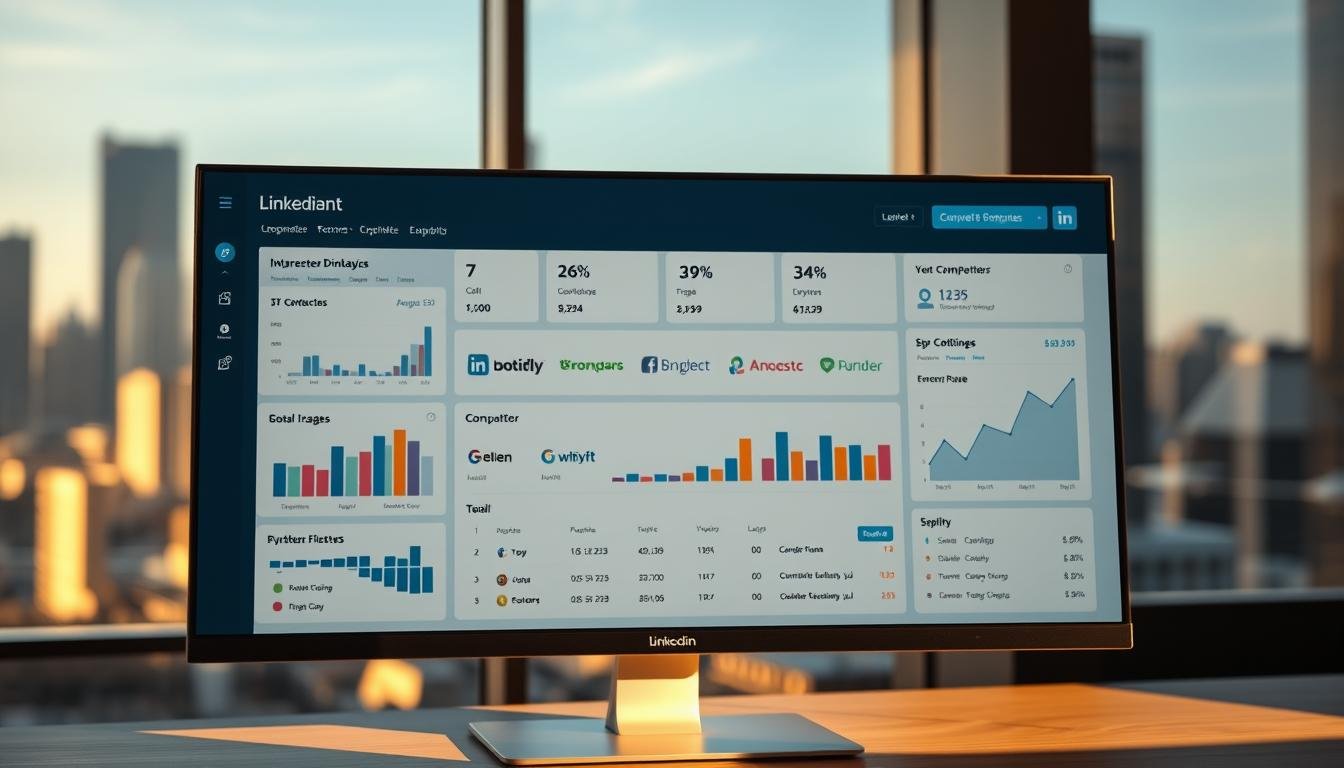
Did you know that 85% of businesses that analyze their industry peers see a significant boost in engagement? Understanding how others grow their network can give you a clear advantage in refining your own strategy.
By examining metrics like post performance and audience interaction, you can uncover valuable patterns. These insights help you create content that resonates better with your target group.
Using the right tools, such as Sales Navigator or third-party platforms, makes this process easier. These resources allow you to track growth trends and identify what works best for others in your field.
This section will guide you through actionable methods to assess activity in your industry. You’ll learn how to optimize your campaigns and stay ahead of the curve.
Key Takeaways
- Analyzing others helps refine your strategy and improve engagement.
- Metrics like post performance and audience interaction reveal valuable patterns.
- Tools like Sales Navigator simplify the process of tracking growth trends.
- Understanding what works for others can optimize your campaigns.
- Stay ahead by applying actionable insights to your own efforts.
Introduction: The Importance of Competitive Analysis on LinkedIn
In today’s digital landscape, staying ahead requires more than just creating content. You need to understand how others in your industry are performing. This is where competitive analysis comes into play. By examining key metrics, you can gain valuable insight into what drives success.
What Competitive Analysis Means for Your Brand
Competitive analysis involves studying your peers to identify trends and opportunities. It’s not just about copying what others do. Instead, it’s about learning from their strategy and applying those lessons to your own efforts.
For example, analyzing follower growth and engagement rates can reveal what resonates with your target audience. This datum helps you refine your content and improve your page performance.
Why You Should Monitor LinkedIn Competitors
Monitoring others in your field provides a clear benchmark for success. It allows you to see what works and what doesn’t. This insight is crucial for tailoring your strategy to meet your audience’s needs.
Additionally, understanding their content trends can help you stay relevant. For instance, if a competitor’s posts about remote work are gaining traction, you might consider exploring that topic too. Tools like LinkedIn analytics can simplify this process.
- Identify market trends and adapt your approach.
- Refine your content to better target your audience.
- Set clear benchmarks for success based on industry leaders.
By leveraging this analysis, you can make data-driven decisions that propel your brand forward.
Setting the Stage for Your LinkedIn Competitor Analysis
Effective analysis begins with clear goals and a well-defined approach. Before diving into data, you need to establish what you aim to achieve. This ensures your efforts are focused and results-driven.
Defining Your Objectives
Start by outlining specific objectives for your analysis. Are you looking to improve engagement, boost follower growth, or refine your content strategy? Clear goals help you stay on track and measure success effectively.
Align your objectives with broader marketing and business goals. For example, if your campaign aims to increase brand awareness, focus on metrics like reach and impressions. Tools like LinkedIn’s native analytics can help you track these benchmarks.
Identifying Your Key Competitors
Next, pinpoint who your key competitors are. Look for industry leaders and businesses with similar target audiences. Analyze their profile activity, content trends, and audience interactions.
Compare both successful and underperforming strategies. This helps you identify what works and what doesn’t. For instance, if a competitor’s video posts are gaining traction, consider incorporating videos into your own campaign.
Use tools like LinkedIn analytics to streamline this process. These resources provide valuable data to refine your approach and stay ahead in your industry.
- Set specific objectives to guide your analysis.
- Identify competitors with similar audiences and goals.
- Analyze both successful and underperforming strategies.
- Align your analysis with broader marketing objectives.
- Use tools to track benchmarks like engagement rates and follower growth.
Mastering Competitor follower insights LinkedIn

To stay ahead, you need to decode what drives success for others. By analyzing key metrics, you can uncover patterns that refine your strategy. This section dives into follower growth, engagement, and content effectiveness to help you optimize your efforts.
Understanding Follower Growth Metrics
Follower growth is a critical metric to track. It shows how well a company page is expanding its reach. Look for linear progress and sudden spikes, as they indicate successful campaigns or viral content.
For example, a steady increase in followers suggests consistent engagement. Sudden jumps often result from high-performing posts or ads. Tools like LinkedIn analytics can help you monitor these trends effectively.
Analyzing Engagement and Content Effectiveness
Engagement metrics like comments, likes, and shares reveal how well content resonates. High engagement indicates that the type of content aligns with audience preferences.
To calculate engagement rate, divide the total interactions by the number of followers. This helps you benchmark your performance against others. Additionally, analyze post frequency and quality to identify what works best.
“Quality content paired with strong engagement drives better results.”
Here’s a breakdown of key metrics to track:
| Metric | Description | Importance |
|---|---|---|
| Follower Growth | Increase in followers over time | Indicates reach and visibility |
| Engagement Rate | Interactions per follower | Shows content effectiveness |
| Post Frequency | Number of posts per week | Helps maintain audience interest |
By leveraging this analysis, you can identify what’s working and what’s not. Use these insights to refine your strategy and drive continuous improvement.
Exploring Advanced LinkedIn Analytics Tools
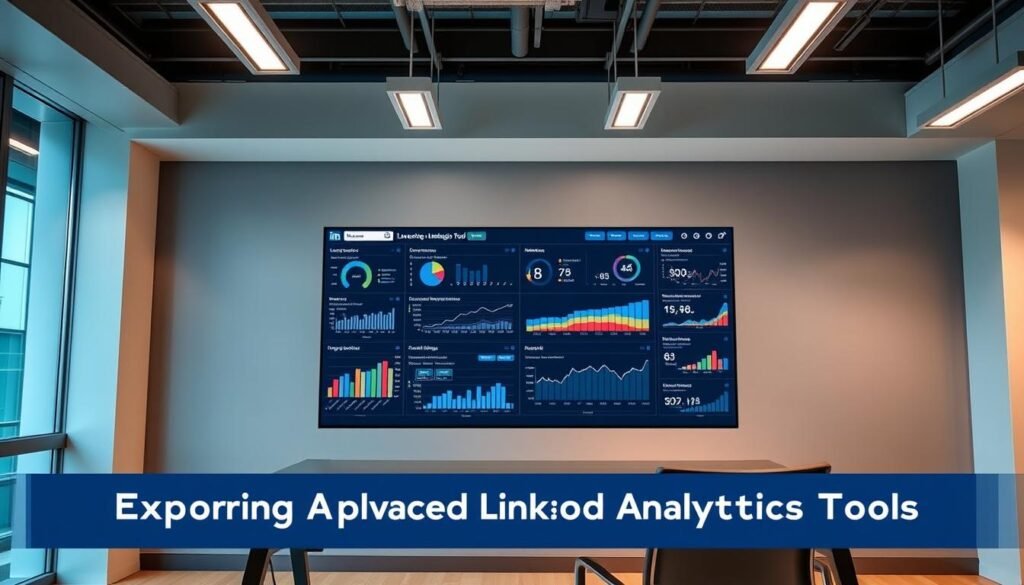
Advanced analytics tools can transform the way you understand and optimize your social media strategy. By leveraging these resources, you can uncover trends, track performance, and refine your approach to meet your goals.
Leveraging Native LinkedIn Analytics
LinkedIn’s native analytics provide a solid foundation for tracking key metrics. These tools offer insights into post performance, audience demographics, and engagement rates. They are a great starting point for understanding your media presence.
For example, you can monitor follower growth over time and identify which posts drive the most interactions. This data helps you adjust your content strategy to better align with your audience’s preferences.
Third-Party Tools to Enhance Your Insights
While native tools are useful, third-party platforms like Sales Navigator, Socialinsider, and Sprout Social offer deeper insights. These tools allow you to analyze competitor activity, track trends, and measure lead generation effectiveness.
Here’s a step-by-step guide to using Sales Navigator:
- Set up your account and connect it to your LinkedIn profile.
- Use filters to identify key players in your industry.
- Track their activity, including posts, engagement, and follower growth.
- Analyze the data to identify patterns and opportunities.
These tools provide a systematic way to gather actionable insights. They help you stay ahead by understanding what works in your field.
“Using advanced analytics tools is the best way to turn data into actionable strategies.”
Choosing the right tool depends on your industry, business size, and analytical needs. Native tools are ideal for basic tracking, while third-party platforms offer more advanced features. By combining both, you can gain a comprehensive view of your performance and make data-driven decisions.
Strategies to Benchmark Content and Engagement

Benchmarking your content against industry leaders can unlock new opportunities for growth. By analyzing what works for others, you can refine your strategy and achieve greater success in your campaigns. This section explores actionable methods to identify trends, assess quality, and turn insights into advantages.
Identifying Content Trends and Top Posts
Start by analyzing the most popular topics and posts in your market. Look for patterns in engagement, such as likes, shares, and comments. High-performing content often reflects audience preferences and emerging trends.
For example, if video posts are gaining traction, consider incorporating more video content into your strategy. Tools like LinkedIn analytics can help you track these trends and identify what resonates with your audience.
Assessing Content Quality Through Engagement Metrics
Engagement metrics are a reliable indicator of content quality. Calculate the engagement rate by dividing total interactions by the number of followers. This helps you benchmark your performance against others in your market.
Additionally, analyze audience feedback, such as comments and sentiment. Positive feedback indicates that your content aligns with audience expectations, while negative feedback highlights areas for improvement.
Benchmarking Key Performance Indicators
To measure your progress, compare key performance indicators (KPIs) with industry leaders. Focus on metrics like follower growth, engagement rate, and post frequency. This helps you identify gaps and opportunities in your strategy.
Here’s a breakdown of essential KPIs to track:
| Metric | Description | Importance |
|---|---|---|
| Follower Growth | Increase in followers over time | Indicates reach and visibility |
| Engagement Rate | Interactions per follower | Shows content effectiveness |
| Post Frequency | Number of posts per week | Helps maintain audience interest |
Turning Opportunities Into Advantages
Once you’ve identified trends and gaps, apply these insights to your own campaigns. For instance, if a competitor’s video content is successful, experiment with similar formats. Use tools like social listening platforms to monitor emerging topics and stay ahead of the curve.
Continuous monitoring ensures you remain adaptable and responsive to changes in your market. By leveraging these strategies, you can transform competitor opportunities into your own advantages.
“Benchmarking is not about copying; it’s about learning and adapting to achieve greater success.”
By following these steps, you can refine your content strategy, improve engagement, and achieve measurable results. Stay proactive, and always look for ways to innovate and lead in your market.
Leveraging Data for Enhanced Marketing Campaigns

Turning raw data into actionable strategies can significantly boost your marketing efforts. By analyzing metrics like engagement and follower growth, you can refine your approach and achieve better results. This section explores how to use data to optimize your campaigns and stay ahead in your field.
Data-Driven Strategy Adjustments
Start by identifying key performance indicators (KPIs) that align with your goal. Metrics like engagement rates and follower growth provide valuable insights into what’s working. Use this data to adjust your strategy and focus on high-performing areas.
For example, if your posts about industry trends generate higher engagement, create more content around those topics. Tools like LinkedIn analytics can help you track these patterns and make informed decisions.
Using Insights to Optimize Your Campaigns
Data-driven insights allow you to design better-targeted ads and content. Analyze your audience’s preferences and tailor your messaging to meet their needs. This approach ensures your campaigns resonate more effectively.
Personalization is key. Studies show that personalized campaigns can increase revenue by 5-15%. Use data to segment your audience and deliver relevant content that drives results.
“Data-driven marketing is not just about numbers; it’s about understanding your audience and delivering value.”
Here’s how to turn insights into action:
- Track engagement metrics to identify top-performing content.
- Use follower growth data to refine your targeting strategy.
- Test different formats, such as videos or infographics, to see what resonates.
- Continuously monitor performance and adjust your approach as needed.
By leveraging data, you can create campaigns that not only meet but exceed your goal. Stay proactive, and always look for ways to innovate and improve your strategy.
Implementing Actionable Steps for Growth

Taking actionable steps based on data-driven insights can transform your growth strategy. By leveraging tools and analytics, you can refine your outreach and improve overall performance. This section outlines practical methods to turn insights into measurable results.
Outreach Techniques and Follower Engagement
Effective outreach starts with understanding your audience. Use tools like Sales Navigator to create targeted lists of potential leads. These lists help you focus on high-value customers who are more likely to engage with your content.
Personalization is key. Craft tailored messages that address specific needs or pain points. For example, personalized email campaigns can increase response rates by up to 30%. Similarly, targeted ads on social platforms can drive higher conversion rates.
Engage with your audience regularly. Respond to comments, participate in discussions, and share valuable content. This builds trust and encourages long-term relationships.
Tactical Adjustments for Better Performance
Monitor your performance metrics closely. Use analytics to identify what’s working and what’s not. For instance, if video posts generate higher engagement, incorporate more video content into your strategy.
Adjust your tactics based on feedback. If a campaign isn’t meeting expectations, tweak the messaging or targeting. Continuous improvement ensures your efforts remain effective and aligned with your goals.
Here’s a quick checklist for tactical adjustments:
- Analyze engagement rates to identify top-performing content.
- Refine targeting based on customer behavior and preferences.
- Test different formats, such as infographics or live sessions, to see what resonates.
- Use A/B testing to optimize ad copy and visuals.
“Data-driven adjustments are the foundation of sustainable growth.”
By implementing these steps, you can turn insights into actionable strategies. Stay proactive, and always look for ways to innovate and improve your approach.
Conclusion
Understanding your audience and refining your approach is key to long-term success. By leveraging tools like LinkedIn competitor analysis, you can gain valuable insights into what drives engagement and growth. Monitoring key metrics helps you stay ahead and adapt your strategy effectively.
Focus on your target audience and use data to refine your campaigns. Analyzing engagement rates and other metrics ensures your content resonates and drives results. This approach not only improves performance but also boosts sale opportunities.
Continuously evaluate your efforts and make adjustments based on feedback. By staying proactive and informed, you can build a resilient marketing plan that meets your target goals. Start implementing these strategies today to optimize your future campaigns.
FAQ
What is competitive analysis on LinkedIn?
Competitive analysis on LinkedIn involves studying your rivals’ profiles, content, and engagement to understand their strategies. This helps you identify opportunities to improve your own brand’s presence and performance.
Why should I monitor my competitors on LinkedIn?
Monitoring your competitors allows you to stay updated on industry trends, learn from their successes, and spot gaps in your own strategy. It’s a proactive way to refine your marketing efforts and stay ahead.
How do I define objectives for a LinkedIn competitor analysis?
Start by identifying what you want to achieve, such as increasing engagement, growing your audience, or improving content quality. Clear goals will guide your analysis and ensure actionable results.
How can I identify key competitors on LinkedIn?
Look for brands in your industry with similar target audiences, high engagement rates, or significant follower counts. Tools like LinkedIn’s search and analytics can help pinpoint relevant profiles.
What are follower growth metrics, and why are they important?
Follower growth metrics track how quickly a profile gains new followers. They’re crucial for understanding audience appeal and the effectiveness of your content strategy over time.
How do I analyze engagement and content effectiveness?
Examine metrics like likes, comments, shares, and click-through rates. Identify which posts resonate most with your audience and use these insights to refine your content approach.
What native LinkedIn analytics tools are available?
LinkedIn offers built-in analytics for company pages, providing data on follower demographics, post performance, and engagement trends. These tools are essential for tracking your progress.
Are there third-party tools to enhance LinkedIn insights?
Yes, tools like Hootsuite, Sprout Social, and Buffer offer advanced analytics and reporting features. They can help you dive deeper into data and streamline your analysis process.
How can I identify content trends and top posts?
Review your competitors’ most shared and liked content. Look for patterns in topics, formats, and posting times to understand what drives engagement in your industry.
How do I use data to optimize my marketing campaigns?
Analyze performance metrics to identify what works and what doesn’t. Adjust your strategy by focusing on high-performing content, refining targeting, and experimenting with new approaches.
What outreach techniques can boost follower engagement?
Engage with your audience by responding to comments, sharing valuable content, and participating in industry discussions. Personalized outreach can also help build stronger connections.
What tactical adjustments improve LinkedIn performance?
Experiment with posting schedules, content formats, and messaging styles. Regularly review analytics to identify areas for improvement and adapt your strategy accordingly.
Source Links
- The Essentials of Social Media Competitor Analysis
- Case study: competitor analysis in sales enablement
- Building a Strong Digital Presence for Your Life Sciences Brand
- LinkedIn hashtags: The complete guide for 2025
- The Power of Social Media Analytics: A Comprehensive Guide
- How to Do Account-Based Marketing: LinkedIn Strategies for Higher Engagement | Alore
- The Best Time to Post on LinkedIn for Maximum Engagement | WordStream
- B2B Prospecting: 11+ Strategies to Accelerate Your Sales Pipeline
- LinkedIn SEO: Boost Visibility & Grow Your Network Fast
- How to find and analyze competitor ads – Competitors App
- Performance marketing analytics: metrics, tools, and best practices – Supermetrics
- LinkedIn for Journalists: How to Succeed and Grow – Favikon
- Social Media Audience Analysis: A Guide to Understanding Your Followers | Sprinklr
- Mastering LinkedIn: Networking, Marketing and Growth Strategies
- The Future of Data-Driven Marketing: 10 Trends to Watch in 2025
- Data-Driven Recruiting: How to Use Analytics to Outshine Competitors
- Turning VoC Data into Actionable Business Intelligence: Why Qualitative Insights Lead the Way
- 10 Proven LinkedIn Strategies to Dominate Business Growth in 2025
- 10 Strategies to Amplify your LinkedIn Reach & Presence
- Social Media Outreach Formula That Works for Everyone | Sprinklr